
Roof Repairs
Can Frost Damage Roof Tiles During Winter in the UK?
Winter in the UK brings freezing mornings, icy rooftops, and the occasional snowfall. While your roof is designed to withstand the British weather, repeated freezing and thawing can gradually take their toll.
By Aztech Roofing ·
Quick guide
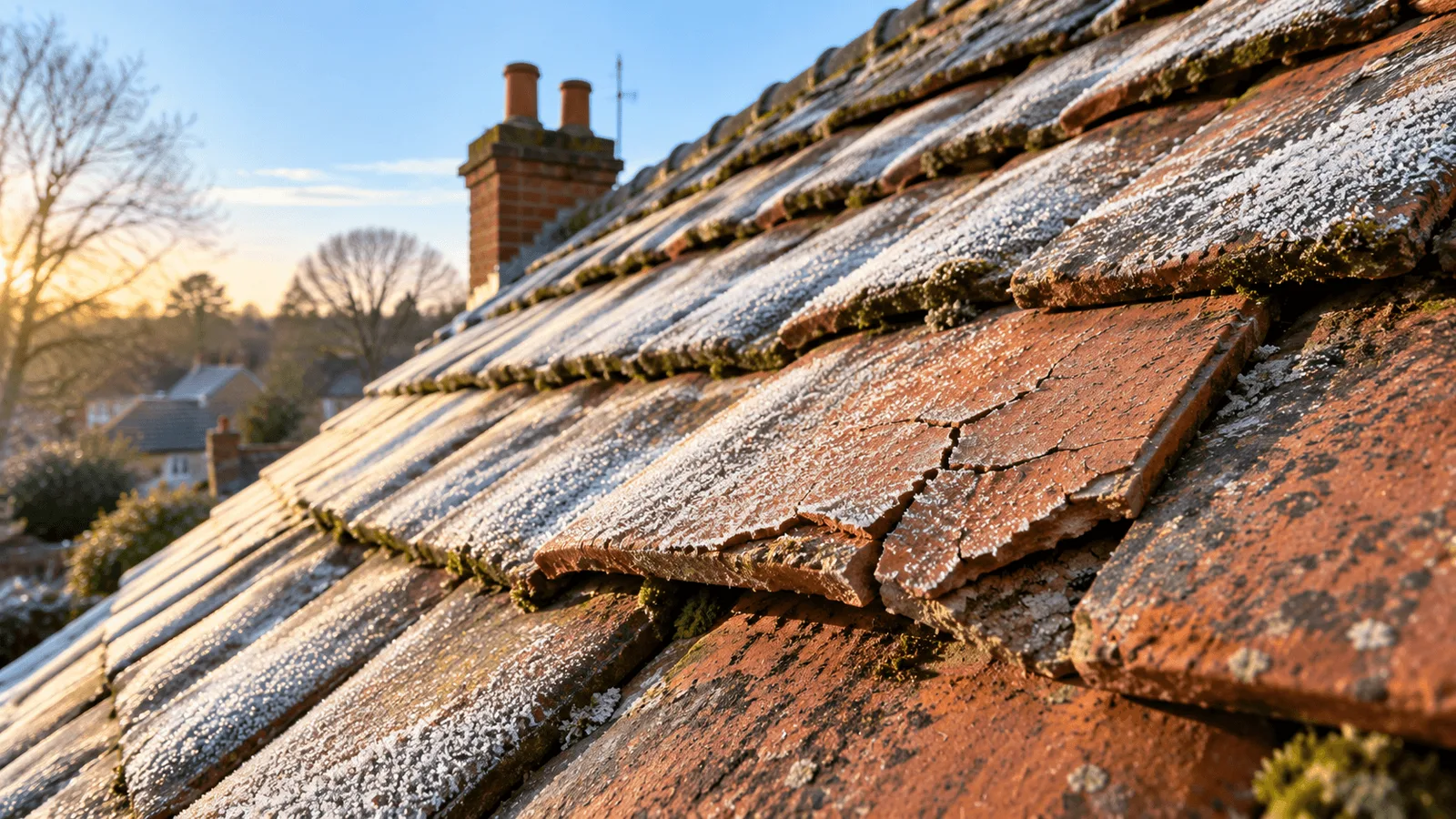
Can frost damage roof tiles? Yes, particularly when water becomes trapped inside cracks, pores, or deteriorating roofing materials.
- Freeze-thaw cycles: Water expands as it freezes, potentially damaging vulnerable tiles.
- Cracked roof tiles: Existing cracks may widen during repeated freezing conditions.
- Surface flaking: Some tiles can lose small sections of their outer surface.
- Loose ridge tiles: Frost can contribute to deterioration of already weakened mortar.
- Roof leaks: Damaged tiles may allow rainwater or melting snow to enter.
- Tile quality matters: Properly manufactured frost-resistant tiles are designed to withstand winter exposure.
- Early repairs help: Addressing damaged tiles can prevent further water penetration.
Bottom line: Frost doesn't automatically damage every roof tile, but repeated freezing and thawing can make existing defects worse.
Introduction
But can frost damage roof tiles, or are they built to handle freezing temperatures?
Yes, frost can damage roof tiles, particularly when moisture enters porous materials, existing cracks, or weakened joints. As trapped water freezes, it expands, potentially widening cracks and causing sections of roofing material to break away.
The process is known as freeze-thaw weathering, and it can affect clay tiles, concrete tiles, mortar, and other exposed roofing components.
For homeowners in Worcester and the surrounding areas, Aztech Roofing helps identify weather-related roof damage and assess whether repairs are needed before small defects develop into more serious problems.
The good news? A properly installed, well-maintained roof should be capable of handling normal winter conditions. The key is recognising when frost has exposed an existing weakness.
1. Freeze-Thaw Cycles Can Crack Roof Tiles
The main reason frost can damage roof tiles is the freeze-thaw process.
Here's how it works:
- Rainwater enters a crack, pore, or damaged section of a roof tile.
- Temperatures fall below freezing.
- The trapped water freezes and expands.
- Expansion places pressure on the surrounding material.
- Repeated freezing and thawing can enlarge cracks or cause surface damage.
According to the Met Office, frost forms when surfaces become cold enough for ice crystals to develop.
However, frost appearing on a roof doesn't necessarily mean the tiles are being damaged. The risk is greater when water has entered vulnerable materials and repeatedly freezes.
What to look for: New cracks, broken tile corners, and small fragments of roofing material appearing in gutters or around the property.
2. Porous or Ageing Tiles May Be More Vulnerable
Not all roof tiles respond to winter weather in the same way.
Clay and concrete roofing tiles are manufactured to withstand outdoor conditions, including frost exposure.
However, susceptibility to frost damage can vary according to:
- Material composition and manufacturing quality.
- Water absorption characteristics.
- Existing cracks or surface deterioration.
- Age and condition.
- Exposure to prolonged moisture.
Older or previously damaged tiles may be more vulnerable if water can enter weaknesses in their surfaces.
For example, a concrete roof tile with an existing crack may deteriorate further during repeated freeze-thaw cycles.
Important: Discolouration or moss growth alone doesn't prove that a tile is frost-damaged. The tile's physical condition needs to be assessed.
If cracks or broken sections are visible, professional Roof Repairs may be able to address the affected area without replacing the entire roof.
3. Frost Can Cause Roof Tile Surfaces to Flake
One visible form of frost-related deterioration is called spalling.
Spalling occurs when small sections of a material's surface break away.
In roofing tiles, this can happen when moisture penetrates a vulnerable surface and repeated freezing contributes to internal stress.
Warning signs include:
- Flaking tile surfaces.
- Chipped corners.
- Crumbling edges.
- Small fragments collecting in gutters.
- Increasing surface deterioration over time.
Not every chipped or flaking tile has been damaged by frost, though. Manufacturing defects, impact damage, and long-term weathering can produce similar symptoms.
How to fix it: A roofer should assess whether the tile remains serviceable or needs replacing.
Replacing isolated damaged tiles is often more practical than waiting for moisture to penetrate further.
4. Freezing Weather Can Weaken Ridge Mortar
Roof tiles aren't the only components exposed to winter conditions.
Traditional ridge tiles are often secured using mortar, which can deteriorate through weather exposure and movement.
When water enters existing mortar cracks, freezing temperatures may contribute to further cracking or separation.
Over time, this can weaken the bedding around ridge tiles.
Signs of potential problems include:
- Cracked mortar joints.
- Loose ridge tiles.
- Mortar fragments in gutters.
- Visible gaps along the roof ridge.
Can frost damage roof tiles at the ridge? Yes, frost-related deterioration can affect the mortar securing ridge tiles, although wind exposure, age, and installation quality also play important roles.
A professional can determine whether individual ridge components need attention or whether a larger section requires refurbishment.
5. Frost Can Make Existing Roof Cracks Worse
A tiny crack might not seem like an urgent problem during dry weather.
But winter can change that.
If moisture enters the crack and repeatedly freezes, the surrounding material may weaken further.
Over time, this can turn a small defect into a broken or displaced tile.
The result may include:
- Greater water penetration.
- Increased exposure of the roof underlay.
- Damp insulation.
- Staining on ceilings or loft timbers.
This is why investigating damaged tiles before winter can be worthwhile.
If tiles have already shifted or fallen, read Slipped Roof Tiles for guidance on recognising the problem and responding safely.
6. Ice and Snow Can Expose Drainage Problems
Frost damage isn't always limited to individual tiles.
During freezing weather, water may collect and freeze around blocked gutters, valleys, or roof junctions.
When temperatures rise, melting snow and ice can produce substantial runoff.
If drainage routes are blocked, water may overflow or reach vulnerable roof details.
On some roofs, accumulated snow and ice can also create additional loads or expose existing waterproofing weaknesses.
The Met Office's seasonal advice provides useful information about preparing properties for winter conditions.
How to reduce the risk: Keep gutters and outlets clear, investigate drainage problems, and arrange repairs to defective roof junctions.
Avoid attempting to remove ice from the roof yourself, particularly when surfaces are slippery.
7. Repeated Winter Weather Can Reveal an Ageing Roof
Sometimes, the answer to can frost damage roof tiles is connected to the roof's overall condition.
A relatively new, correctly installed roof with suitable materials may withstand repeated winter conditions without noticeable damage.
An older roof with widespread cracks, deteriorating fixings, and damaged underlay may be more vulnerable.
Warning signs of broader deterioration include:
- Numerous cracked or broken tiles.
- Recurring leaks after cold weather.
- Multiple slipped tiles.
- Deteriorating ridge mortar.
- Damp or decaying roof timbers.
- Frequent repair requirements.
If these problems affect large areas, isolated repairs may not provide the best long-term solution.
Professional Roof Replacements may be worth considering when the roofing system has extensive deterioration rather than a few individual defects.
How to Spot Frost-Damaged Roof Tiles
You don't need to climb onto your roof to identify possible warning signs.
Many problems can be spotted from the ground or from inside your home.
External Warning Signs
Look for:
- Cracked or chipped tiles.
- Missing sections of tile surfaces.
- Slipped or displaced tiles.
- Broken roofing fragments on the ground.
- Loose ridge mortar.
- Overflowing or damaged gutters.
Internal Warning Signs
Inside your property, watch for:
- Damp patches on ceilings.
- Water staining in the loft.
- Wet or discoloured insulation.
- Musty smells.
- Dripping water during thawing conditions.
Remember: Water stains don't always appear directly beneath the damaged tile. Moisture can travel along roofing components before becoming visible.
If you notice damage on a flat-roofed extension, the Flat Roof Warning Signs guide explains additional issues to look for.
Safety first: Never walk on an icy, snowy, or frost-covered roof. Roof-level inspections and repairs should be left to trained professionals using appropriate access equipment.
Can Frost-Damaged Roof Tiles Be Repaired?
Yes, many frost-damaged roof tiles can be replaced individually without replacing the entire roof.
The appropriate repair depends on the extent of deterioration and whether the surrounding roof remains sound.
For example, if a homeowner discovers three cracked tiles following a cold spell, a targeted repair may be sufficient if the rest of the roof is in good condition.
However, if dozens of tiles are deteriorating and leaks occur repeatedly, a broader assessment is sensible.
A professional inspection should consider not only the visible tiles but also fixings, battens, underlay, and any signs of moisture damage.
How to Protect Your Roof From Frost Damage
You can't stop temperatures dropping below freezing, but you can help your roof withstand winter conditions.
1. Arrange a Pre-Winter Roof Check
Autumn is a useful time to look for cracked tiles, loose ridge components, and drainage problems.
Identifying weaknesses before freezing conditions arrive can reduce the risk of further deterioration.
2. Keep Gutters and Roof Valleys Clear
Leaves, moss, and debris can obstruct drainage.
Clear gutters and outlets help rainwater and melting snow move away from the roof effectively.
3. Replace Damaged Tiles Promptly
A cracked tile may allow water to enter vulnerable parts of the roofing system.
Addressing the problem early can help prevent further damage during freeze-thaw cycles.
4. Monitor the Loft After Severe Weather
Check for new staining, moisture, or dripping water when it is safe to do so.
Pay particular attention after heavy rainfall, snow, or a prolonged freeze.
5. Use Suitable Replacement Materials
Replacement tiles should be appropriate for the existing roof and installed according to relevant manufacturer requirements.
The National Federation of Roofing Contractors provides information about professional roofing practices and industry standards.
For a clearer understanding of what professionals assess, read Roof Inspection Process.
Key Takeaways
So, can frost damage roof tiles during winter in the UK?
Yes. Repeated freezing and thawing can damage vulnerable roof tiles, particularly when moisture enters cracks, pores, or weakened materials.
Here's what homeowners should remember:
- Freeze-thaw cycles can worsen existing cracks and contribute to tile breakage.
- Not every frosty roof is damaged. Properly manufactured and installed tiles are designed for outdoor winter conditions.
- Surface flaking and broken corners are warning signs worth investigating.
- Ridge mortar and drainage details can also deteriorate during winter weather.
- Individual damaged tiles can often be replaced without renewing the entire roof.
- Early inspections and maintenance help prevent larger problems by identifying weaknesses before they worsen.
If you've noticed cracked roof tiles, slipped tiles, or new leaks after freezing weather in Worcester or the surrounding areas, an inspection can help establish what's causing the problem.
Explore Free Roof Inspections to understand your roof's condition and the repair options available.
Frost might be part of a typical British winter, but avoidable roof damage doesn't have to be.
FAQs
Can frost damage roof tiles even if they are relatively new?
Yes, frost can damage relatively new roof tiles if they contain defects, cracks, or other weaknesses that allow moisture to enter. However, properly manufactured frost-resistant tiles are designed to withstand normal winter exposure. New tiles showing unusual cracking or surface deterioration should be professionally assessed.
Which roof tiles are most vulnerable to frost damage?
Tiles with existing cracks, high water absorption, or significant deterioration may be more vulnerable to freeze-thaw damage. Both clay and concrete tiles can be affected under certain conditions, although their resistance depends on manufacturing quality and product specifications. The condition of individual tiles matters more than simply identifying whether they are clay or concrete.
Can frost-damaged roof tiles cause leaks?
Yes, cracked or broken tiles can allow rainwater or melting snow to reach the layers beneath the roof covering. Whether water enters the property depends on the roof's construction and the condition of its supporting components. Prompt repairs can help reduce the risk of damp insulation, stained ceilings, and timber deterioration.
Should I replace roof tiles immediately after frost damage?
Tiles that are cracked, broken, or displaced should be assessed promptly, particularly if water is entering the property. Not every cosmetic mark requires immediate replacement, but damaged tiles should not be ignored. A professional roofer can determine which components need replacing and whether the surrounding roof remains secure.
How often should I inspect my roof for winter damage?
A visual check from a safe location before and after winter is a useful starting point. Additional checks are sensible following heavy snow, prolonged freezing weather, or severe storms. Professional inspections can help identify hidden defects that may not be visible from the ground.
Related reading
Explore local roofing help
A guide cannot diagnose a specific roof. Explore our services and local coverage, or arrange a free inspection.
Need advice on your roof?
Start with a free inspection and a clear explanation of the options.