
Roof Replacements
How to Prepare Your Home for a Roof Replacement
Replacing your roof is one of the biggest home improvement projects you can undertake. It protects your property, helps prevent water damage and can improve the overall condition and appearance of your home. However, even the most carefully planned roofing project can become stressful if you haven't prepared your property beforehand.
By Aztech Roofing ·
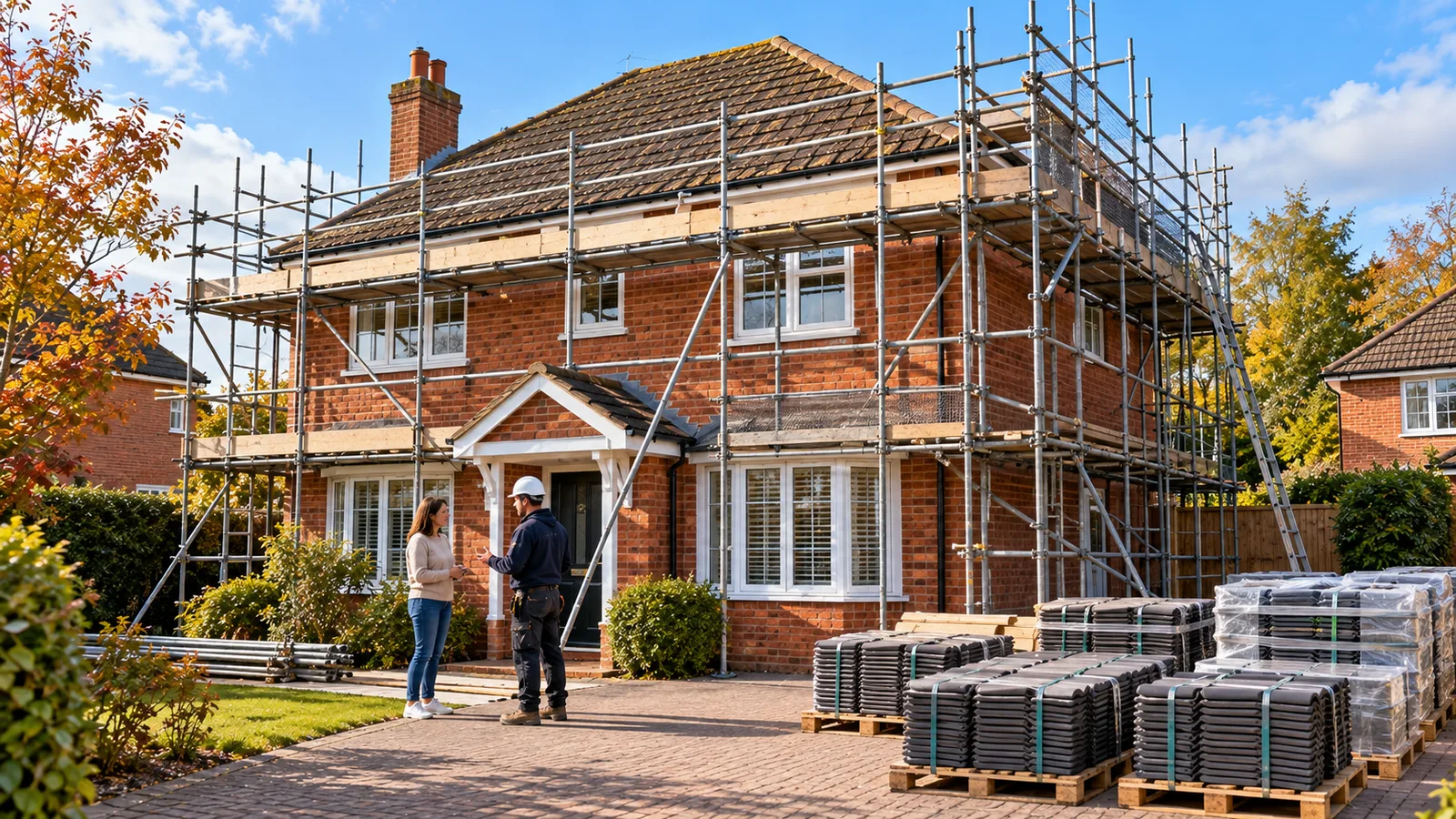
Quick guide
If you're wondering how to prepare for a roof replacement, the most important steps are to confirm the project details, clear access around your property, protect vulnerable belongings and plan for the temporary disruption that roofing work may cause.
- Confirm the project details. Understand the agreed scope of work, materials, estimated schedule and payment arrangements.
- Clear the driveway and access routes. Move vehicles, bins, garden furniture and other obstacles away from working areas.
- Protect items in the loft. Roofing work can disturb dust and debris, particularly when existing materials are removed.
- Secure fragile belongings indoors. Vibrations from roofing activities may affect items displayed on shelves or walls.
- Prepare children and pets. Arrange safe areas away from construction activity, equipment and falling debris.
- Speak with your neighbours. Let them know when work is expected and whether access or parking may be affected.
- Check weather arrangements. Ask how exposed sections of the roof will be protected if conditions change.
- Understand the completion process. Confirm how waste removal, final checks and handover will be handled.
The goal is not to turn your home into a construction site before work begins. It is to make sensible arrangements so roofing professionals can work safely and efficiently while your household experiences as little disruption as reasonably possible.
Introduction
Knowing how to prepare for a roof replacement can make the entire process easier, from arranging access for roofing professionals to protecting your belongings from dust and vibrations.
A roof replacement involves more than removing old tiles and installing new ones. Depending on the property, the work may include scaffolding, removing existing roofing materials, inspecting the supporting structure, installing new underlay and battens, and fitting the replacement roof covering.
For homeowners in Worcester and the surrounding West Midlands, preparation is especially important when changing weather conditions could affect the project schedule.
At Aztech Roofing, we understand that homeowners want a straightforward process with clear expectations. This guide explains the practical steps you can take before roofing work begins, helping you protect your home, reduce disruption and feel more confident about the project ahead.
1. Confirm That a Full Roof Replacement Is Necessary
Before preparing your home, make sure you understand why a complete roof replacement has been recommended.
Not every leaking or damaged roof needs replacing.
Some roofing problems can be resolved through targeted repairs, particularly when the surrounding materials and supporting structure remain in good condition.
However, replacement may become more practical when deterioration affects large sections of the roof or when repeated repairs no longer provide a reliable solution.
When Roof Replacement May Be Appropriate
Common reasons include:
- Widespread cracked, broken or deteriorated tiles
- Repeated leaks affecting different roof areas
- Significant deterioration of roofing materials
- Problems with battens, underlay or supporting components
- Extensive storm damage
- An ageing roof with multiple recurring defects
- Major renovation work requiring changes to the roofing system
Our guide to Signs You Need a New Roof explains the warning signs that may indicate replacement is worth considering.
It is also important to compare the likely benefits of repairs against the cost and expected performance of a replacement.
Our guide on whether to Repair or Replace Your Roof explores the factors that can help homeowners make that decision.
A clear understanding of the roof's condition is the foundation of a successful project.
2. Understand What Happens During a Roof Replacement
One of the best ways to learn how to prepare for a roof replacement is to understand the work involved.
Although every property is different, many pitched roof replacements follow a similar sequence.
Typical Roof Replacement Stages
Initial assessment: The roof is assessed to establish the scope of work and identify visible defects or potential complications.
Access arrangements: Scaffolding or other suitable access equipment may be installed to allow safe working at height.
Removal of existing materials: Old tiles, slates and other roofing components are removed as required.
Inspection of underlying components: The exposed roof structure is checked for deterioration or damage that may need attention.
Installation of new roofing materials: Suitable underlay, battens, roof coverings and associated details are installed according to the agreed specification.
Finishing work: Ridge details, flashing, junctions and other relevant components are completed.
Final checks and site clearance: The finished work is assessed, and roofing waste is removed in accordance with the project arrangements.
The exact sequence depends on the roof design, materials and condition of the existing structure.
Our guide to the Roof Replacement Process explains what homeowners can expect at different stages.
Understanding these steps helps you plan around noise, access restrictions and the possibility of unexpected issues becoming visible after the old roof covering is removed.
3. Clear Your Driveway and Access Routes
Roof replacement projects require safe access for workers, equipment, materials and waste removal.
A cluttered driveway or narrow garden path can make the work more difficult than necessary.
Before installation begins, ask which areas need to remain clear.
What Should You Move?
Consider relocating:
- Cars and motorcycles
- Bicycles and scooters
- Wheelie bins
- Garden furniture
- Plant pots and decorative items
- Children's outdoor toys
- Portable barbecues
- Loose equipment stored beside the house
Where possible, move vehicles away from the immediate working area to reduce the risk of accidental damage from dust or falling debris.
If you share a driveway or access route, discuss arrangements with affected neighbours beforehand.
Why Access Matters
Roofing materials may need to be delivered close to the property.
Waste containers, scaffolding components and equipment may also require temporary space.
Clear access can help reduce unnecessary movement around obstacles and support a safer working environment.
Do not assume that the entire driveway must remain empty throughout the project. Confirm the actual requirements with your roofing contractor.
4. Protect Your Loft and Stored Belongings
The loft is one of the most important areas to consider when preparing for a roof replacement.
Removing old roofing materials can disturb dust and debris, particularly in older properties or where the existing underlay is deteriorated.
Vibrations may also affect items stored close to the underside of the roof.
How to Prepare Your Loft
If the loft is safely accessible, consider the following:
- Move valuable or delicate belongings away from exposed roof areas.
- Cover stored items with suitable protective sheets.
- Place important documents in sealed containers.
- Remove fragile decorations or equipment where practical.
- Keep access routes clear for any agreed inspection work.
- Avoid disturbing insulation or unfamiliar materials.
If you suspect asbestos-containing materials, unsafe wiring or structural damage, do not handle them yourself.
Ask an appropriate professional to assess the concern before work begins.
Will Roofing Work Create Dust Indoors?
Dust levels depend on the roof construction and the work being carried out.
Some projects create relatively little internal disturbance, while others may release dust into loft spaces.
Preparing stored belongings beforehand is a simple precaution that can save time cleaning up later.
5. Secure Fragile Items Inside Your Home
Roof replacement involves physical activity above your living space.
Removing materials, fixing battens and installing new roof coverings can create noise and vibrations.
These vibrations may be noticeable in upstairs rooms, particularly in older buildings.
What Should You Protect?
Consider temporarily moving or securing:
- Picture frames and mirrors
- Fragile ornaments
- Items displayed on high shelves
- Delicate light fittings where appropriate
- Valuable electronics near vulnerable areas
- Objects positioned close to unstable shelving
You do not need to empty every room.
Instead, focus on fragile items that could fall or become damaged if vibrations occur.
If you have recently decorated upstairs rooms or have delicate ceiling finishes, mention this before work begins so any relevant concerns can be discussed.
6. Make Arrangements for Children and Pets
Roof replacement can involve loud noises, unfamiliar people, moving equipment and restricted outdoor areas.
These conditions may be stressful for pets and distracting or potentially dangerous for children.
Keeping Children Safe
Explain that certain parts of the property will be temporarily off-limits.
Keep children away from scaffolding, stored materials, waste containers and active working areas.
If your garden is normally used for play, consider arranging alternative activities while roofing work is underway.
Preparing Pets
Some pets are particularly sensitive to hammering, drilling and unfamiliar sounds.
Depending on their behaviour, you may wish to:
- Keep them in a quiet room away from the work.
- Arrange temporary care with a trusted person.
- Maintain their normal feeding routine where possible.
- Ensure gates and doors remain secure.
- Tell the roofing team if pets could enter working areas.
Preparing pets in advance can make the experience less stressful for everyone involved.
7. Inform Your Neighbours Before Work Begins
Roof replacement does not only affect the property receiving the new roof.
Scaffolding, deliveries, noise and temporary parking arrangements may also affect nearby homes.
A brief conversation with neighbours can prevent misunderstandings.
What Should You Tell Them?
Share the expected start date and general duration if these have been confirmed.
Mention any likely disruption involving shared driveways, access routes or parking.
If your property is terraced or semi-detached, ask your contractor whether any work may affect adjoining roofing details.
Check Whether Additional Permissions Are Needed
Some roofing projects may require consideration of planning rules, Building Regulations or other legal requirements.
For example, replacing a substantial roof covering may involve Building Regulations obligations, while changes to roof height, appearance or structure can create additional considerations.
Properties in conservation areas, listed buildings and projects affecting shared structures may require further checks.
Where relevant, Party Wall etc. Act 1996 procedures may also need consideration.
Requirements depend on the nature of the work and the property.
Clarify who is responsible for checking permissions, notifications and compliance before the project starts.
8. Plan Your Roof Replacement Budget Carefully
Knowing how to prepare for a roof replacement also means understanding the financial arrangements before work begins.
The cost of a new roof depends on more than the price of tiles or slates.
Roof size, access requirements, materials, structural condition and additional work can all influence the final quotation.
Common Factors Affecting Costs
These may include:
- Roof dimensions and complexity
- Tile or slate selection
- Scaffolding and access equipment
- Removal and disposal of old materials
- Underlay and batten replacement
- Flashing and roof junction work
- Insulation or ventilation improvements
- Repairs to damaged supporting components
- Unexpected defects discovered during removal
Our guide to Roof Replacement Costs explains why prices vary between properties.
Should You Allow for Unexpected Work?
Yes, allowing a reasonable contingency can be sensible.
Some defects cannot be fully assessed until existing roofing materials have been removed.
For example, deteriorated battens or damaged timber may become visible only after the roof covering is lifted.
Before approving additional work, ask for a clear explanation of the problem, proposed solution and associated cost.
A transparent process helps prevent confusion and supports better budgeting.
9. Prepare for Noise and Temporary Disruption
A roof replacement is a significant construction project, so some disruption is unavoidable.
Hammering, material removal, deliveries and movement around the property may create noise throughout the working day.
How to Make the Process Easier
If you work from home, consider whether important meetings should be scheduled elsewhere during particularly noisy stages.
Move vehicles before the agreed start time and keep essential household access routes available.
If you have young children, elderly relatives or anyone sensitive to noise, plan suitable arrangements in advance.
It may also help to confirm the expected daily working hours and the best contact person for questions.
Can You Stay at Home During a Roof Replacement?
In many cases, homeowners can remain in their properties during roof replacement work.
However, this depends on the scope of the project, structural condition and any specific safety concerns.
Extensive structural work or unusual site conditions may require different arrangements.
Ask your contractor what to expect rather than assuming you will need to move out.
10. Discuss Weather Protection Before Work Starts
UK weather can change quickly, and roofing work is particularly sensitive to rainfall and strong winds.
A professional roofing project should include suitable planning for exposed areas and changing conditions.
However, weather-related delays can still occur.
Questions Worth Asking
Before the start date, discuss:
- How the roof will be protected if rain is forecast
- Whether work may be postponed during unsafe weather
- How much of the roof will be exposed at one time
- What happens if unexpected delays occur
- Who to contact if you notice water ingress during the project
Temporary weatherproofing arrangements depend on the roof design, stage of work and site conditions.
It is important to understand that temporary protection reduces risk but cannot eliminate every possible weather-related problem.
Clear communication helps homeowners know what to expect if the schedule changes.
11. Check the Scope of Work and Guarantee Details
Before installation begins, review the quotation and agreed specification carefully.
A clear written scope helps both the homeowner and roofing contractor understand what is included.
What Should Be Confirmed?
Ask about:
- Roofing materials and their specification
- Whether old materials will be removed
- The condition and treatment of the roof deck or structure
- Underlay, battens and ventilation arrangements
- Flashing and roof junction details
- Scaffolding and waste removal
- Estimated project duration
- Payment schedule
- Applicable workmanship or material guarantees
- How unexpected additional work will be approved
Our Roof Replacements service is intended to help homeowners address roofs that require renewal rather than repeated localised repairs.
Understanding the proposed work beforehand makes it easier to evaluate the finished project and ask informed questions.
12. Know What to Check After Your Roof Replacement
Preparation does not end when the roofing team arrives.
It is also useful to understand what should happen when the work is completed.
Review the Finished Work
Ask for an explanation of the completed roofing work and any relevant changes made during installation.
Where practical, review photographs or other documentation showing areas that are difficult to inspect from ground level.
Do not climb onto the roof to examine the finished installation yourself.
Confirm Waste Removal
Check that the agreed waste removal and site clearance have been completed.
Pay particular attention to driveways, garden paths and other areas used during the project.
Keep Important Documents
Retain:
- The final invoice
- Written quotation and agreed variations
- Material specifications where supplied
- Guarantee information
- Relevant completion or compliance documentation
- Photographs of the finished work where available
These records may be useful for future maintenance, property sales or insurance enquiries.
Ask About Future Maintenance
Even a newly installed roof benefits from periodic observation and appropriate maintenance.
Ask which warning signs to monitor and whether any specific maintenance requirements apply to the chosen roofing materials.
13. When Should You Contact a Roofing Professional?
If you're unsure how to prepare for a roof replacement, the best starting point is a professional assessment of your existing roof.
This can help establish whether replacement is necessary, what materials may be suitable and whether any underlying issues require attention.
A clear discussion before work begins should cover access, safety, expected disruption, weather arrangements and the proposed installation process.
For homeowners in Worcester and the surrounding West Midlands, you can Contact Aztech Roofing to discuss your roofing concerns and arrange the next appropriate steps.
The more you understand about the work beforehand, the easier it becomes to prepare your home and make confident decisions.
Key Takeaways
Understanding how to prepare for a roof replacement can make a major home improvement project more manageable.
Although roofing professionals handle the technical installation, homeowners play an important role in preparing access, protecting belongings and understanding the agreed work.
The most important points to remember are:
- Confirm that replacement is the right solution. Not every damaged roof requires complete renewal.
- Understand the project before work begins. Review the scope, materials, schedule and payment arrangements.
- Clear access around your property. Move vehicles, garden furniture and obstacles away from agreed working areas.
- Protect belongings in the loft and upstairs rooms. Dust and vibrations may affect stored or fragile items.
- Plan for children and pets. Keep them away from scaffolding, equipment and active construction areas.
- Communicate with neighbours. Advance notice can help reduce disruption involving noise, access and parking.
- Prepare for weather-related changes. Ask about temporary protection and possible delays.
- Allow for unexpected findings. Some defects become visible only after existing roofing materials are removed.
- Keep your paperwork. Quotations, guarantees and completion documents are valuable for future reference.
Ultimately, preparing for a roof replacement is about creating the right conditions for safe, organised and efficient work.
With sensible planning, clear communication and an understanding of what to expect, you can approach your roofing project with greater confidence and fewer unnecessary surprises.
FAQs
Do I need to empty my loft before a roof replacement?
You do not always need to empty your entire loft, but protecting stored belongings is advisable. Roofing work can disturb dust and debris, especially when old tiles and underlay are removed. Move valuable or fragile items where practical and cover anything that must remain.
Can I stay in my house while the roof is being replaced?
In many cases, homeowners can remain in their property during a roof replacement. However, the work may involve considerable noise, vibrations and temporary restrictions around outdoor areas. Your roofing contractor can advise whether the specific project creates any circumstances requiring alternative arrangements.
How long does a roof replacement usually take?
The duration depends on the roof's size, complexity, materials, access arrangements and weather conditions. Some straightforward projects may take several working days, while larger or more complicated replacements can take longer. Your contractor should provide an estimated schedule and explain factors that could cause delays.
Should I move my car before roof replacement work starts?
Moving your car away from the immediate working area is generally a sensible precaution. Roofing projects may involve scaffolding, deliveries, waste removal and falling dust or debris. Ask your contractor which parking and access areas need to remain clear during the work.
What should I ask a roofer before a roof replacement begins?
Ask about the agreed scope of work, roofing materials, expected schedule, access requirements and how unexpected repairs will be handled. You should also clarify payment arrangements, waste removal, weather protection and applicable guarantees. Getting these details confirmed in writing can help prevent misunderstandings during the project.
Related reading
Explore local roofing help
A guide cannot diagnose a specific roof. Explore our services and local coverage, or arrange a free inspection.
Need advice on your roof?
Start with a free inspection and a clear explanation of the options.